
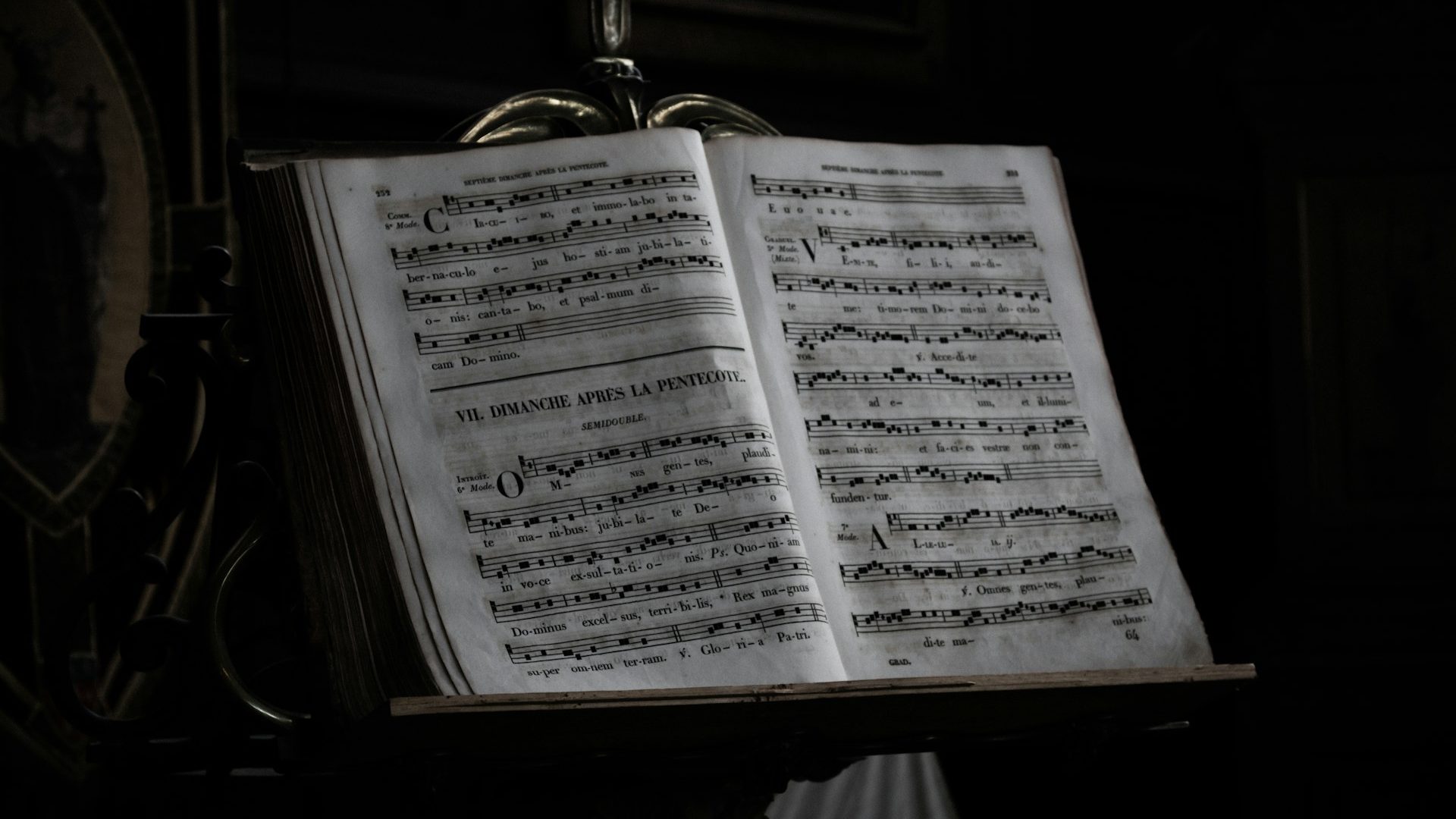
Music is the result of several distinct components working together, called the elements of music. They are the building blocks that composers master to create every piece of music ever written. There are four fundamental elements:
Rhythm
Rhythm is the organization of sound in time. It determines when notes happen, how long they last, and how they group together into patterns. Before there was melody, before there was harmony, there was rhythm — the most primal element of all.
→ Read more: Rhythm
Melody
Melody is a succession of notes of varying pitch that forms a recognizable musical line. It is what you hum when you leave the concert hall.
→ Read more: Melody
Harmony
Harmony is what happens when two or more notes sound simultaneously. It is the vertical dimension of music — the relationship between notes heard at the same time, as opposed to the horizontal flow of melody. Harmony gives music its depth, its color, and its tension.
→ Read more: Harmony
Dynamics
Dynamics refer to the variations in loudness and softness in music. A passage marked pianissimo is barely a whisper; one marked fortissimo shakes the walls.
→ Read more: Dynamics
This post is part of Koilon’s Music Appreciation series — an introduction to music for curious listeners of all backgrounds.